

ملخص
شهادتان عند التخرج: واحدة من باكو وأخرى من Heriot-Watt في إدنبرة — المصنفة في المرتبة 8 عالمياً في تخصص هندسة النفط لعام 2026. كل هذا في جامعة أسسها رئيس الجمهورية بمرسوم رئاسي وتديرها شركة النفط الوطنية الأذربيجانية SOCAR مباشرة.
إذا كان المسار المهني المستهدف هو قطاع الطاقة العالمي، فإن مدرسة باكو العليا للنفط BHOS ليست مجرد خيار أكاديمي، بل هي المسار الطبيعي المصمم هيكلياً ليجد الخريج نفسه مطلوباً من شركات مثل BP وSLB بالاسم. تدمج هذه المؤسسة بين السيادة الوطنية في قطاع الطاقة وبين المعايير الأكاديمية البريطانية الصارمة، مما يخلق خريجاً يمتلك الكفاءة التقنية والشهادة الدولية المعتمدة عالمياً.
لذا فإن خيار الدراسة في أذربيجان [← الدراسة في أذربيجان — الدليل الكامل] يبدأ وينتهي عند هذا الصرح النخبوي الذي سجل في عام 2026 زيادة بنسبة 67% في إقبال الطلاب الدوليين.
ما الذي يجعل جامعة باكو العليا للنفط مختلفة عن كل جامعة نفطية أخرى؟
عند وضع مدرسة باكو العليا للنفط BHOS في كفة المقارنة مقابل جامعة أذربيجان الحكومية للنفط والصناعة ASOIU، تظهر فوارق جوهرية تتعلق بالهيكلية والمخرجات الصناعية لعام 2026.
مدرسة باكو العليا للنفط BHOS تعمل كفرعية مباشرة لشركة SOCAR، مما يعني أن المناهج والمختبرات والتدريب الميداني تُحددها احتياجات الصناعة الفعلية وليست مجرد نظريات أكاديمية.
المعيار | مدرسة باكو العليا للنفط BHOS | جامعة ASOIU | جامعات نفط إقليمية أخرى |
شهادة مزدوجة بريطانية | ✅ BHOS Heriot-Watt double degree petroleum | ✅ ستراسبورغ (UFAZ فقط) | ❌ غير متوفرة |
الجهة المؤسِّسة والمالكة | SOCAR (شركة النفط الوطنية) | حكومة أذربيجان | حكومات وطنية |
لغة التدريس الأساسية | 🇬🇧 إنجليزية 100% | إنجليزية/روسية/أذرية | لغات متنوعة |
التدريب الصناعي الميداني | ✅ 15+ شركة دولية (إلزامي) | ✅ SOCAR/BP | ⚠️ محدود أو اختياري |
برنامج BP المشترك للإدارة | ✅ حصري لطلاب السنة 5 | ❌ غير متوفر | ❌ غير متوفر |
المنحة الرئاسية للطلبة | ✅ 36 طالباً (35.3%) في 2026 | ⚠️ نسبة أقل | ❌ غير متوفرة |
نظام المكتبة الرقمية | ✅ وصول كامل لنظام Heriot-Watt | ❌ غير متوفر | ❌ غير متوفر |
عدد الطلاب المقبولين | نخبوي (أقل من 300 سنوياً) | أعداد كبيرة | أعداد كبيرة |
وفق بيانات ايدوبرينك BHOS Baku admission لعام 2025 و2026، فإن خريجي الجامعة يشغلون حالياً مناصب قيادية وتقنية في "SOCAR Downstream Management" بنسبة توظيف قيادية بلغت 67.3%.
شهادة Heriot-Watt: الورقة البريطانية من قلب باكو
تمثل الشراكة مع جامعة Heriot-Watt البريطانية حجر الزاوية في التميز الأكاديمي ضمن برنامج BHOS Heriot-Watt double degree petroleum. تُعد Heriot-Watt واحدة من أعرق الجامعات التقنية في المملكة المتحدة، وهي مصنفة الثامنة عالمياً لعام 2026.
الطالب في BHOS يدرس منهج Heriot-Watt الكامل ويخضع لنفس الامتحانات والمعايير التقييمية المطبقة في اسكتلندا لضمان جودة مدرسة جامعة باكو العليا للنفط باكو هندسة نفط شهادة بريطانية.
الاعتمادات والعضويات الرسمية لعام 2026
الجهة / العضوية | ما يعنيه للطالب |
وزارة العلوم الأذربيجانية | اعتماد رسمي مُعترف به دولياً |
Bologna / ECTS | معادلة في 49 دولة أوروبية |
Heriot-Watt University UK | شهادة بريطانية كاملة عند التخرج |
WEUN (شبكة جامعات الطاقة العالمية) | شبكة أكاديمية طاقة دولية |
EBSCO Discovery Service | أول جامعة في أذربيجان بهذه الخدمة |
SOCAR (مالك مؤسسي) | أولوية توظيف وتدريب مضمون |
المزايا العملية للشراكة البريطانية للطالب العربي
التحصيل العلمي في مدرسة باكو العليا للنفط جامعة باكو العليا للنفط يمنح الطالب العربي وصولاً سيادياً للموارد البريطانية دون الحاجة للسفر أو دفع تكاليف المعيشة المرتفعة.
الازدواجية الأكاديمية: يحصل الخريج عند إتمام تخصص هندسة النفط أو الهندسة الكيميائية على شهادتين منفصلتين؛ أذربيجانية من جامعة باكو العليا للنفط وبريطانية من Heriot-Watt University.
الهوية الرقمية البريطانية: يُمنح كل طالب بريداً إلكترونياً رسمياً (@hw.ac.uk)، مما يتيح له الوصول الكامل إلى منظومة VISION للتعلم الافتراضي البريطانية.
المكتبة الرقمية العالمية: يمتلك الطلاب حق الوصول الكامل لكافة الأبحاث في مكتبة Heriot-Watt الرقمية، بالإضافة إلى خدمة EBSCO Discovery Service.
الاعتراف الدولي الفوري: شهادة Heriot-Watt لا تحتاج إلى معادلة في معظم دول العالم، مما يسهل العمل في شركات الطاقة الكبرى في الخليج العربي فور التخرج.
هذه الشراكة تجعل من الطالب العربي في باكو طالباً دولياً، حيث يشارك أساتذة من إدنبرة في عمليات التدريس والإشراف الأكاديمي بانتظام.
عندما تكون شركة النفط هي الحاضنة الأكاديمية
تأسست مدرسة باكو العليا للنفط BHOS بمرسوم رئاسي رقم 539، بهدف تحويل العوائد النفطية إلى "رأس مال بشري" عالي الكفاءة. الجامعة تابعة لـ SOCAR هيكلياً، مما يمنحها وضعاً فريداً ضمن BHOS SOCAR petroleum engineering Azerbaijan.
القيمة المضافة لملكية سوكار للجامعة
المختبرات والتقنيات: المختبرات مجهزة ببرمجيات Eclipse وPetrel التي توفرها شركات مثل SLB وSOCAR، وهي نفس الأدوات المستخدمة في التخطيط الفعلي لحقول بحر القزوين.
الذكاء الاصطناعي والصناعة: في عام 2026، افتتحت SOCAR مختبراً بحثياً متطوراً للذكاء الاصطناعي داخل BHOS لخدمة طلاب الماجستير والدكتوراه.
التدريب الميداني الجغرافي: يقع حرم Bibiheybat بجوار منشآت الإنتاج الفعلية لشركة SOCAR، مما يتيح للطلاب التطبيق العملي الفوري.
التوظيف الاستراتيجي: يتم تعيين المتفوقين مباشرة في وحدات SOCAR المختلفة مثل "SOCAR Polymer" و"SOCAR Upstream".
إن الانتماء لـ مدرسة باكو العليا للنفط BHOS يعني الانتماء للهيكل الإداري لأكبر شركة في أذربيجان، وهي بوابة الدخول الأكثر موثوقية لصناعة الطاقة العالمية.
التدريب مع 15+ شركة دولية: بناء السيرة الذاتية
تعتمد فلسفة التعليم في مدرسة باكو العليا للنفط BHOS على أن الخبرة الميدانية جزء لا يتجزأ من المنهج الأكاديمي تحت إشراف مهندسين عالميين.
الشركة الشريكة | قطاع التدريب والتخصص | المكانة العالمية |
SOCAR | الاستكشاف، الحفر، التكرير | شركة النفط الوطنية |
BP (بريتيش بتروليوم) | هندسة العمليات، الإدارة | شريك استراتيجي عالمي |
SLB (Schlumberger) | خدمات الحفر، البيانات | الشركة الأولى عالمياً |
Halliburton | إنتاج النفط وإكمال الآبار | الرائدة الأمريكية في الطاقة |
Baker Hughes | التوربينات، تطوير الحقول | شريك تكنولوجي عالمي |
Equinor (Statoil) | الطاقة البحرية، الاستدامة | الرائدة النرويجية |
Maire Tecnimont | الهندسة الكيميائية، المصافي | العملاق الإيطالي |
Schneider Electric | الأتمتة، إدارة الطاقة | الرائدة في الأنظمة الذكية |
ABB | الروبوتات، أتمتة العمليات | القائدة في الأتمتة الصناعية |
Microsoft | التحول الرقمي للصناعة | عملاق البرمجيات |
بفضل هذه الشراكات، تصدرت جامعة باكو العليا للنفط المركز الأول في توظيف الخريجين بنسبة 67.3% لعام 2026. الطالب العربي يحصل عبر هذه الشركات على "Passport" مهني عالمي.
برنامج BP الحصري: مهندس بعقلية مدير مشروع
يُعد برنامج "Business Education for Engineers" الممول بالكامل من شركة BP أحد أهم نقاط القوة التنافسية لطلاب مدرسة باكو العليا للنفط جامعة باكو العليا للنفط في السنة الخامسة.
الوحدات التدريبية الثمانية للبرنامج
إدارة المشاريع والمخاطر: الأدوات اللازمة لإدارة مشاريع بمليارات الدولارات.
القيادة وتحفيز الفرق: بناء وإدارة الفرق الهندسية متعددة الجنسيات.
المالية والميزانية: فهم الجدوى الاقتصادية للمشاريع الهندسية.
مهارات التفاوض والتواصل: الوصول لاتفاقيات ناجحة مع الشركاء الدوليين.
وفقاً لتصريحات المدير الإقليمي لشركة BP، فإن هذا البرنامج يجعل خريج BHOS "جاهزاً للإدارة" منذ اليوم الأول، مع وجود أكثر من 100 خريج يعملون حالياً في فروع الشركة عالمياً.
ايدوبرينك: شريكك الاستراتيجي للقبول في جامعة باكو العليا للنفط
نظراً لمعايير القبول الصارمة والمقاعد المحدودة، توفر ايدوبرينك BHOS Baku admission مساراً احترافياً يضمن استيفاء الشروط القانونية والأكاديمية للطلاب العرب.
خدمات ايدوبرينك لعام 2026
التقييم الأكاديمي السريع: التحقق من استيفاء شرط الـ $600+$ نقطة خلال 24 ساعة.
الترجمة والتوثيق القانوني: ترجمة كافة المستندات إلى اللغة الأذربيجانية وتوثيقها رسمياً.
تنسيق السكن في White City: ترتيب إقامة الطلاب في حي باكو الأبيض الراقي بالقرب من الحرم.
دعم إجراءات الإقامة الدراسية: مرافقة الطالب في الفحص الطبي واستخراج بطاقة الإقامة (TRP).
"مستقبلك في كبرى شركات النفط يبدأ بخطوة التقديم الصحيحة. قدّم في BHOS عبر Edubrink اليوم ←"
التخصصات والبرامج الأكاديمية لعام 2026
تركز مدرسة باكو العليا للنفط BHOS على نخبة التخصصات الهندسية والإدارية المرتبطة بقطاع الطاقة، وتُدرس كافة البرامج باللغة الإنجليزية 100% وفق نظام ECTS.
البرنامج الدراسي | الدرجة العلمية | منهج التدريس | الشهادة الممنوحة |
هندسة النفط (Petroleum] | بكالوريوس | Heriot-Watt UK | BHOS + Heriot-Watt 🇬🇧 |
الهندسة الكيميائية (Chemical) | بكالوريوس | Heriot-Watt UK | BHOS + Heriot-Watt 🇬🇧 |
أتمتة العمليات (Process Automation) | بكالوريوس | BHOS (معايير دولية) | شهادة BHOS الأذربيجانية |
أمن المعلومات (Information Security) | بكالوريوس | BHOS (معايير دولية) | شهادة BHOS الأذربيجانية |
إدارة الأعمال (BBA) | بكالوريوس | BHOS (تركيز صناعي) | شهادة BHOS الأذربيجانية |
تكنولوجيا النفط والغاز | ماجستير | Heriot-Watt | BHOS + Heriot-Watt 🇬🇧 |
يُعد تخصص "Process Automation Engineering" من أكثر التخصصات نمواً في عام 2026 بفضل تكامل الروبوتات وأنظمة SCADA الصناعية.
المنحة الرئاسية الأذربيجانية: مكافأة النخبة
تحتفظ مدرسة باكو العليا للنفط BHOS بصدارة الجامعات الأذربيجانية في عدد الطلاب الحاصلين على "المنحة الرئاسية" (Presidential Scholarship).
في العام الأكاديمي 2025-2026، حصل 36 طالباً من BHOS على هذه المنحة من أصل 102 طالب على مستوى الدولة، أي أكثر من ثلث المتفوقين وطنياً. وتبلغ قيمة المنحة 350 منات شهرياً، وتُمنح للمتفوقين الذين يحققون أعلى الدرجات في امتحانات القبول.
شروط القبول للعام الأكاديمي 2026
تتبع مدرسة باكو العليا للنفط BHOS سياسة انتقائية تضمن نخبويتها ضمن BHOS SOCAR petroleum engineering Azerbaijan.
الدرجات الأكاديمية: معيار الـ $600+$ نقطة في امتحانات القبول الوطنية يمثل المؤشر لمستوى التفوق المطلوب دولياً.
الكفاءة اللغوية: IELTS 5.0 كحد أدنى للبكالوريوس، و6.5 للماجستير.
الوثائق المطلوبة: شهادة الثانوية، تقرير طبي (خلو من HIV وHepatitis B/C)، وشهادة خلو من السوابق الجنائية مترجمة للأذربيجانية وموثقة.
الرسوم والتكاليف الإجمالية
"رسوم مدرسة باكو العليا للنفط BHOS للطلاب الدوليين قابلة للتغيير ولم تُؤكَّد رسمياً من ايدوبرينك كأرقام نهائية لعام 2026. الأرقام أدناه تقديرية؛ تواصل مع ايدوبرينك للسعر الدقيق لجنسيتك مجاناً."
البرنامج الدراسي | الرسوم التقديرية (للطلاب الدوليين) |
بكالوريوس الهندسة (كافة التخصصات) | 5000 AZN سنوياً |
بكالوريوس إدارة الأعمال (BBA) | 5000 AZN سنوياً |
برامج الماجستير (MSc) | 3500 USD سنوياً |
برامج الدكتوراه (PhD) | 3500 USD سنوياً |
تكاليف المعيشة في باكو (2026)
تُعد باكو مدينة اقتصادية للغاية مقارنة بجودة الحياة الأوروبية والمرافق الحديثة في White City.
البند المعيشي | التكلفة الشهرية التقريبية (USD) |
السكن (جامعي أو شقة مشتركة) | $150 – $300 |
الطعام والمصاريف اليومية (حلال) | $150 – $250 |
المواصلات العامة (مترو وحافلات) | $15 – $30 |
الإنترنت وباقة الهاتف | $10 – $25 |
الإجمالي التقريبي | $450 – $800 شهرياً |
يُنصح الطلاب بالتواصل المباشر مع مستشاري ايدوبرينك للحصول على آخر تحديثات الرسوم المعتمدة للجنسيات العربية المختلفة لعام 2026.
مسارات التوظيف: الصناعة تنتظرك بالاسم
خريج مدرسة باكو العليا للنفط BHOS لا يبحث عن وظيفة؛ بل الشركات هي من تبحث عنه قبل التخرج بفضل نظام الشهادة المزدوجة والارتباط المباشر بـ SOCAR.
التوظيف المباشر في SOCAR: أولوية قصوى للخريجين في كافة منشآت الشركة الوطنية (Polymer, Upstream, Downstream).
شبكة BP العالمية: تم توظيف أكثر من 100 خريج في شركة BP العالمية حتى عام 2026 كمهندسي عمليات وحفر.
سوق الطاقة في الخليج العربي: شهادة Heriot-Watt البريطانية تفتح أبواب أرامكو السعودية وADNOC الإماراتية دون قيود معادلة.
الدراسات العليا في الخارج: القبول المباشر في ستانفورد وإمبيريال كوليدج لندن بفضل الاعتماد الألماني (ASIIN) والمنهج البريطاني المطبق.
مستوى الدراسة
نظام الدراسة
البرامج المميزة
المقررات والتخصصات التي تقدمها هذه الجامعة.
لم يتم العثور على دورات
لا توجد دورات متاحة
تحتاج إلى مساعدة للتقديم إلى جامعة باكو العليا للنفط؟
يساعدك فريق منصة إيدوبرينك في معرفة الرسوم الدراسية، شروط القبول، الوثائق المطلوبة، خطوات التأشيرة، وأفضل طريقة للتقديم إلى جامعة باكو العليا للنفط.
إبراز
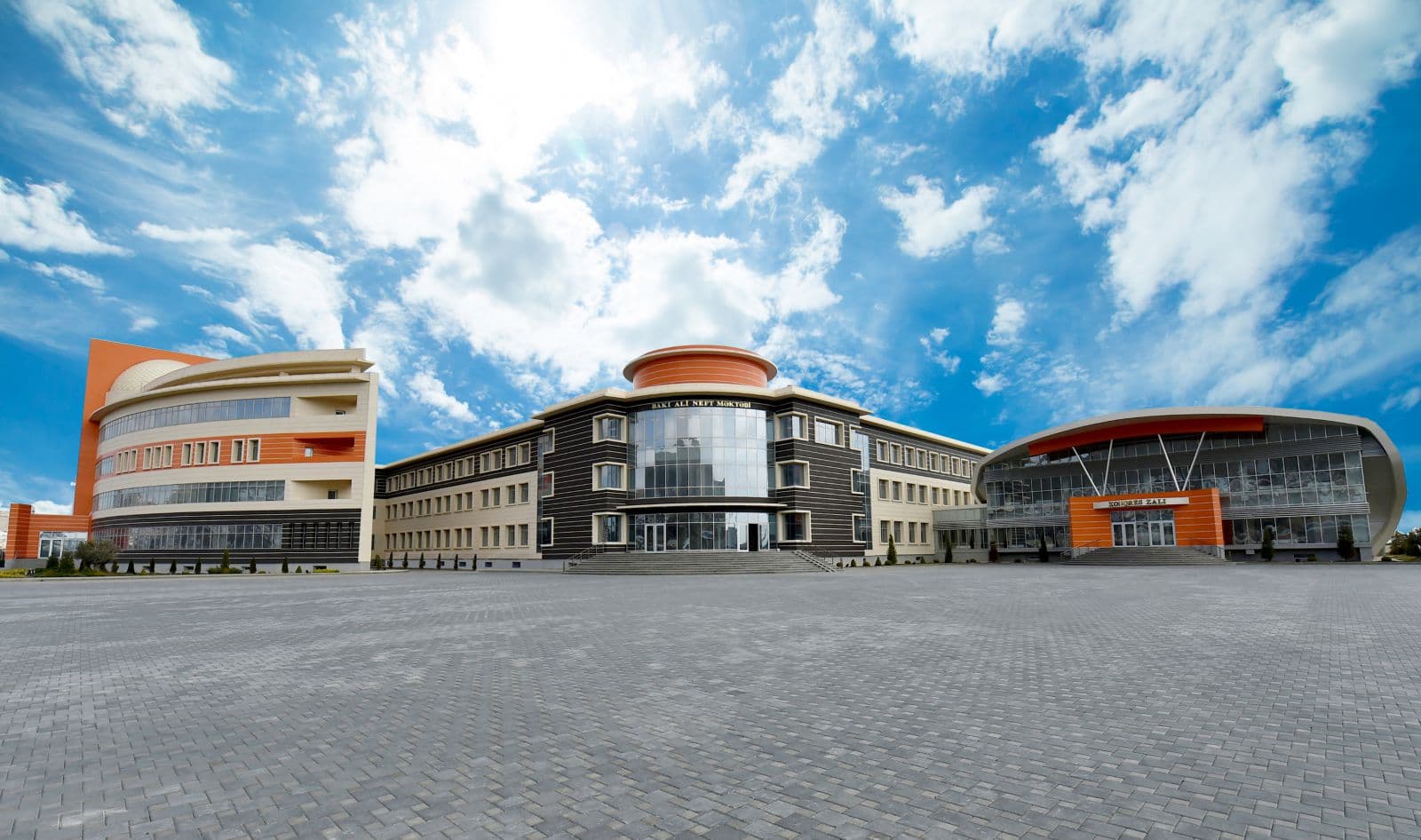
الحرم الجامعي
المبنى الرئيسي
باكوعنوان جامعة باكو العليا للنفط هو شارع خوجالي 30، باكو AZ1025، أذربيجان.
تحتاج إلى مساعدة للتقديم إلى جامعة باكو العليا للنفط؟
يساعدك فريق منصة إيدوبرينك في معرفة الرسوم الدراسية، شروط القبول، الوثائق المطلوبة، خطوات التأشيرة، وأفضل طريقة للتقديم إلى جامعة باكو العليا للنفط.
غير متوفر
في انتظار التحديث الرسمي
غير متاح
منحة دراسية متاحة
سبتمبر 2026
شهر البدء
سبتمبر 2026
الموعد النهائي للتقديم
دوام كامل
نظام الدراسة
تخفيض
غير متاح